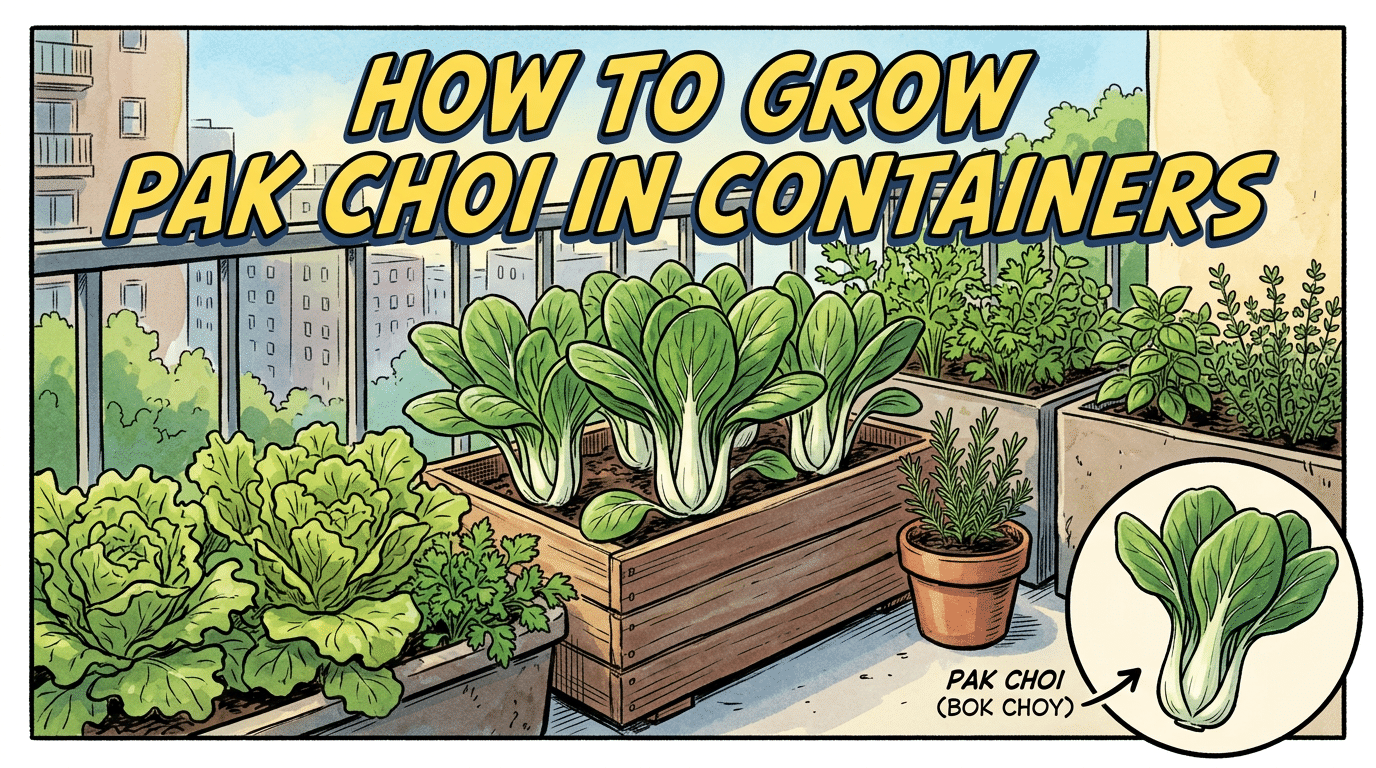
Pak choi is an excellent crop for balcony and container gardeners who want to grow fresh vegetables without dedicating a large amount of space to them. It grows relatively quickly, produces crisp, flavorful leaves and stems, and can be fitted into the gaps between other crops throughout much of the year.
One of its biggest advantages is its flexibility. You can grow pak choi in individual containers, combine it with compatible crops or sow small batches at regular intervals to spread your harvests over several weeks and months.
Plus it tolerates shade pretty well. So if your balcony doesn’t get much direct sunlight…this is a crop I’d definately try growing.
However, pak choi does have one characteristic that we need to understand: it prefers cool growing conditions. Warm weather and long summer days can encourage plants to bolt before they produce the compact heads most of us want to harvest.
With sensible timing, regular watering and a little planning, pak choi easily becomes a productive part of a small-space vegetable garden.
For me it is a key crop in the Multi-Harvest Container System.
Why Grow Pak Choi In Containers?

Pak choi belongs to the cabbage family (Brassicaceae) and is closely related to Chinese cabbage. Unlike traditional heading cabbages, it produces an upright cluster of leaves with thick, succulent stems.
The entire above-ground plant is edible; stems and leaves. The stems have a mild, slightly sweet flavor and a pleasant crunch, while the leaves are softer and cook quickly. I love it in stir-fry dishes and in soups.
There are several reasons why pak choi deserves a place in a small-space vegetable garden.
It grows quickly. Baby leaves can be harvested approximately four weeks after sowing, while mature plants generally take around six to ten weeks, depending on conditions and variety.
It doesn’t need a large container. You can grow several small plants together in a reasonably sized container or harvest them as baby leaves from a smaller pot.
It offers flexible harvesting. You can harvest individual leaves over time or remove the entire plant when it reaches the desired size.
It fills seasonal gaps. Pak choi is particularly valuable during spring and autumn, when temperatures are more favorable for leafy vegetables than for many summer crops.
There are limitations, though. Pak choi is not a particularly reliable midsummer crop in warm, sunny positions. It can bolt before developing a substantial head, and its relatively tender leaves may need protection from certain pests.
For us balcony gardeners, the best approach is to treat pak choi as a quick-growing seasonal crop rather than something that occupies a container throughout the year.
Choosing The Right Variety
There are several types of pak choi available, and the differences are worth considering before buying seeds.
Most varieties produce green leaves with white or pale green stems, but you can also find varieties with purple or reddish leaves.
The main considerations are plant size, intended harvest stage and resistance to bolting.
Standard Pak Choi
Traditional varieties develop relatively large, upright rosettes with broad leaves and substantial stems. They are excellent for stir-fries and other cooked dishes but need more room than baby-leaf varieties.
Allow approximately 25–30 cm between mature plants.
Baby Pak Choi
Some varieties are naturally more compact, while others can simply be harvested young.
Baby pak choi is particularly useful for container growing because you can produce several plants in a relatively small area. The entire young plant can be harvested before it develops into a full-sized rosette.
Purple Pak Choi
Purple varieties offer something a little different visually. They can look particularly attractive growing alongside green lettuce and other leafy vegetables.
They are also perfectly edible and can be harvested young or allowed to mature, depending on the variety.
Bolt-Resistant Varieties
If you intend to grow pak choi during late spring or summer, look for varieties specifically described as resistant to bolting.
No variety is completely immune to unfavorable growing conditions, but choosing a variety with better resistance can improve your chances at success.
For a first attempt, I would choose a compact or bolt-resistant green variety and grow a small batch of plants. You can experiment with purple varieties once you know how pak choi performs in your particular growing conditions.
When To Sow And Plant Pak Choi


All photos Copyright Jim Boere / balconyfoodfactory.com
Timing is particularly important when growing pak choi.
It prefers mild temperatures and consistent moisture. Long days, hot weather and dry conditions can encourage premature flowering (bolting), which means the plant produces a flower stem instead of developing the compact rosette you want.
For temperate climates such as where I live in the Netherlands (roughly a USDA Zone 8b-type climate, for comparison), spring and late summer are generally the most dependable growing periods.
Pak Choi Sowing And Harvesting Calendar
The following calendar is a practical starting point for outdoor container growing in the Netherlands and similar climates.
| Activity | Recommended Period |
|---|---|
| Indoor sowing (optional) | March–April |
| Direct outdoor sowing | April–May |
| Transplanting outdoors | April–May, depending on weather |
| Late-summer indoor sowing | Late July–August |
| Late-summer direct sowing | July–September |
| Autumn harvesting | September–November |
| Spring harvesting | May–June |
These are approximate windows, not fixed dates. Local weather, the variety and the intended harvest size all influence the timing.
Spring Growing
You can start sowing pak choi indoors in March using small modules or individual cells, and this may give you a head start while outdoor temperatures are still relatively low.
Move the seedlings outside once they have developed a few true leaves, have been hardened off and the weather is sufficiently mild.
I, however, never had any problems getting pak choi seeds to germinate when direct sown outside, and it is a fast growing crop to begin with, so I don’t bother starting them indoors.
Try both methods and see what works best for you. More on this in chapter 5: Sowing And Planting Pak Choi.
Spring-grown pak choi can produce a good harvest, but be aware that plants sown too early may experience cold spells followed by increasingly long days. Both temperature fluctuations and changing day length can contribute to bolting.
Avoid keeping spring plants in small modules for too long. Root restriction and transplanting stress can also interrupt growth.
Summer Growing
Summer is the most challenging period for growing full-sized pak choi.
If you want to experiment with summer sowings, choose a bolt-resistant variety and give the plants some protection from intense afternoon sun.
Harvesting as baby leaves or small rosettes is generally more dependable than waiting for large heads.
Keep the potting mix consistently moist, particularly during warm weather.
Autumn Growing
Late summer is arguably the best time to grow pak choi.
Sowing from late July through August gives plants time to establish before temperatures begin to fall and the days become shorter.
The cooler conditions are generally favorable for producing compact, well-developed rosettes.
You can also make additional sowings into September, particularly if you have a sheltered balcony or can protect the containers during colder weather. Succession planting is one of the 4 pillars of the Multi-Harvest Container System.
Later sowings are better treated as opportunities for smaller plants and baby leaves rather than guaranteed full-sized autumn crops.
Choosing A Container And Potting Mix
Pak choi has relatively modest root requirements compared with crops such as tomatoes, courgettes (also known as zucchini) or larger cabbages.
However, the leaves grow quickly, and the plants need a consistent supply of moisture to develop properly.
This makes the choice of container important.
Container Size
For growing baby pak choi, a planter or pot approximately 30 cm wide is a practical starting point.
For mature plants, allow more space.
My recommendations are:
| Growing Purpose | Container Recommendation |
|---|---|
| Baby leaves | At least 15–20 cm deep |
| Small rosettes | Approximately 20 cm deep |
| Mature plants | Approximately 20–25 cm deep |
| Several mature plants | A planter at least 60 cm long |
For mature plants, allow approximately 25 cm between plants. A 60 cm planter will therefore accommodate two plants comfortably, depending on its width.
A container holding approximately 10–15 liters is a reasonable starting point for one or two plants, provided it has sufficient surface area.
You can grow more plants in a larger container, but avoid overcrowding.
The main consideration is not simply the volume of potting mix. It is having enough space for the leaves to develop without competing excessively for light, water and nutrients.
Drainage
Good drainage is essential.
Make sure your container has adequate drainage holes and never allow it to remain permanently waterlogged.
Pak choi likes moisture, but constantly saturated potting mix can deprive roots of oxygen and encourage root problems.
Potting Mix
Choose a good-quality, nutrient-rich potting mix that retains moisture without becoming compacted.
Pak choi grows quickly, so it benefits from a fertile starting environment.
Before planting, mix in some mature compost and/or slow releasing fertilizer if the existing potting mix needs refreshing.
If you are reusing a container from an earlier crop, remove old roots and replenish the potting mix with fresh material and compost.
This is particularly important when following a heavy-feeding crop.
Position And Sunlight
Pak choi grows well in full sun during cool weather.
During warmer periods, however, a position with some afternoon shade is preferable.
On a south-facing balcony, this distinction matters. Containers exposed to direct afternoon sun can become considerably warmer than the surrounding air.
A position receiving morning sunlight and some afternoon protection is a good compromise for summer sowings.
Sowing And Planting Pak Choi


All photos Copyright Jim Boere / balconyfoodfactory.com
Pak choi is relatively straightforward to grow from seed.
You have two main options: sowing directly into the final container or starting plants in individual modules.
Both approaches have advantages.
Option 1: Direct Sowing
Direct sowing is particularly convenient when growing baby pak choi.
- Fill your container with fresh, moist potting mix.
- Level the surface and gently firm it.
- Sow the seeds approximately 1–2 cm apart.
- Cover with a thin layer of potting mix, approximately 0.5–1 cm deep.
- Water gently using a watering can with a fine rose, being careful not to displace the seeds.
- Keep the surface consistently moist while the seeds germinate.
Germination usually takes approximately one week, depending on temperature and conditions.
Once the seedlings have developed their first true leaves, gradually thin them out.
For baby leaves, leave approximately 8–10 cm between plants.
For larger plants, increase the spacing to approximately 20–30 cm.
–> TIP: You can eat the thinnings rather than throwing them away.
Option 2: Starting In Modules
Starting seeds in individual modules is a good way to produce a small number of plants without disturbing their roots unnecessarily.
- Fill small modules with seed-starting mix.
- Sow one or two seeds per cell.
- Cover lightly and water gently.
- Once the seedlings emerge, remove the weaker one if both germinate.
- Grow the remaining seedlings until they have developed several true leaves.
- Harden them off before moving them outdoors.
When transplanting, handle the root ball carefully and avoid disturbing the roots.
Pak choi can react poorly to transplanting stress, particularly if it is already experiencing unfavorable temperatures.
Plant each seedling at the same depth it was growing in its module and water it in thoroughly.
My recommendation: Direct sowing is the simplest approach for most balcony gardeners. If you want a more controlled succession of mature plants, individual modules make it easier to prepare the next batch while an existing container is still producing.
Everyday Care
Pak choi doesn’t require complicated maintenance, but it does benefit from consistent care.
The most important things are moisture, healthy growth and avoiding unnecessary stress.
Watering
Watering is particularly important when growing pak choi in containers.
The plants have relatively large leaves and grow quickly, so they need a steady supply of water.
Allowing the potting mix to dry out significantly can interrupt growth and encourage bolting.
Check the moisture regularly, particularly during warm weather.
Water when the layer below the surface begins to dry, making sure the entire root area receives moisture.
Morning watering is generally preferable because it allows the foliage and surrounding surface to dry during the day.
Avoid leaving containers permanently saturated.
Feeding
Pak choi is a relatively fast-growing leafy vegetable, so it needs adequate nutrients to produce healthy leaves and stems.
If you start with fresh, fertile potting mix containing mature compost, you should not need to feed immediately.
For plants growing over a longer period, particularly mature plants, a modest application of balanced liquid organic fertilizer can help maintain growth.
Follow the manufacturer’s instructions rather than increasing the feeding rate in an attempt to accelerate production.
Excessive feeding is unnecessary and does not compensate for inadequate light, poor watering or unsuitable temperatures.
Light And Temperature
Pak choi prefers cool to mild conditions.
It grows well in spring and autumn, but warm weather can quickly become a problem.
If temperatures rise, move containers into light shade where possible.
This is especially important for plants growing in small pots, which can heat up and dry out quickly.
Thinning
Thinning is important if you want healthy, well-developed plants.
Overcrowded pak choi competes for light, water and nutrients. The result is often smaller plants with less substantial stems.
Use the recommended spacing for your intended harvest.
Remember that baby-leaf production requires less space than growing mature rosettes.
Pest Prevention
Pak choi is attractive to several common garden pests.
The most relevant ones for container growers are slugs, snails, flea beetles and caterpillars.
Inspect plants regularly, particularly the undersides of leaves.
Fine insect-proof mesh can protect plants from flea beetles and butterflies, provided it is properly secured.
Check that the mesh does not restrict the plants as they grow.
Companion Planting And Container Combinations
Pak choi is a good candidate for companion planting, particularly when you want to make better use of the space around the main crop.
However, there is no need to fill every available gap.
The objective is to combine crops that have compatible growing requirements without creating excessive competition.
Here are three combinations worth considering.
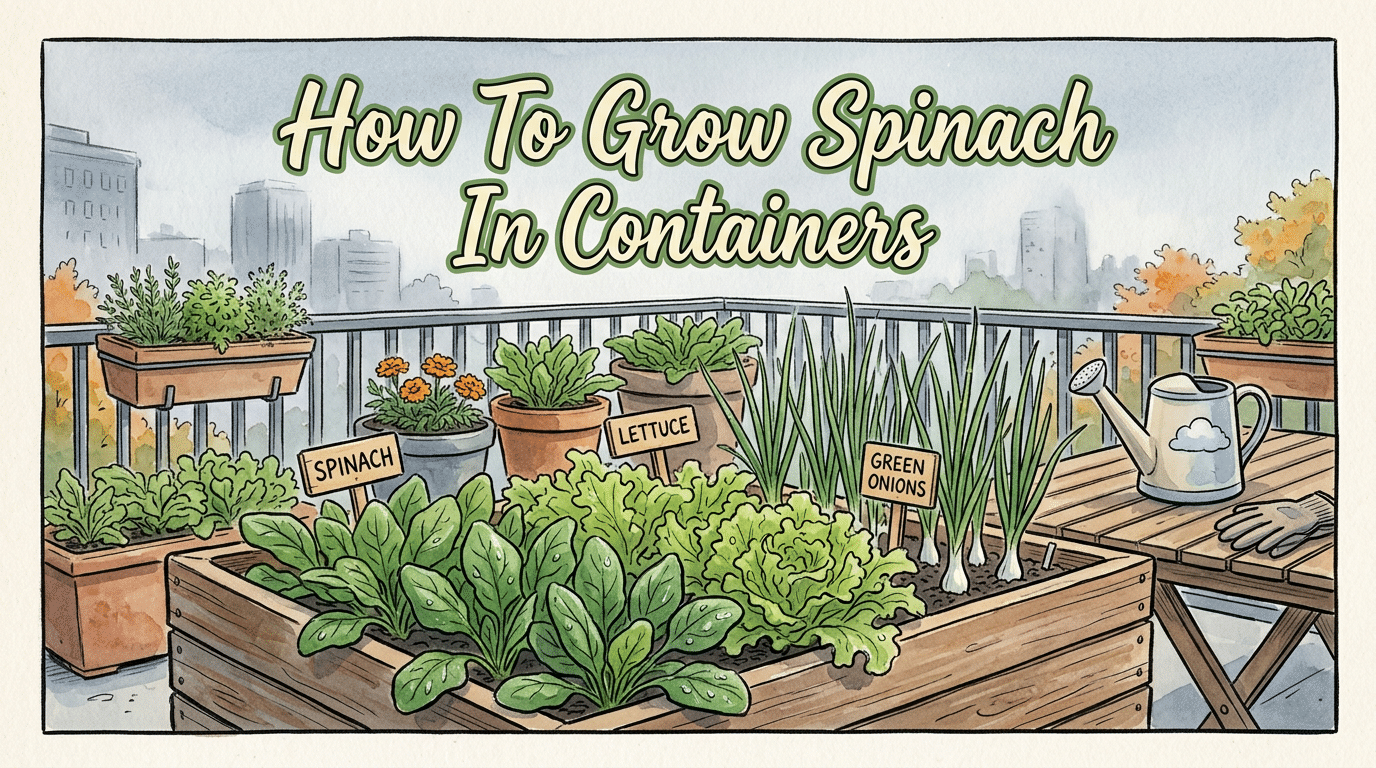
Pak Choi And Lettuce

Lettuce is one of the most practical companions for pak choi.
Both crops prefer relatively cool growing conditions and appreciate consistently moist potting mix.
Plant one or two pak choi plants towards the center or back of a sufficiently wide container, leaving space around them for loose-leaf lettuce.
Harvest the lettuce regularly while the pak choi develops.
This combination is particularly effective when growing pak choi to a smaller or semi-mature size.
Pak Choi And Green Onions
Green onions can occupy some of the space around pak choi without developing the same broad leaf canopy.
Plant them along the outer edges of a wider container, keeping enough distance from the pak choi to prevent overcrowding.
You can harvest individual green onions as needed while the main crop continues growing.
This is a particularly practical combination because both crops can be harvested over an extended period.
Pak Choi And Radishes
Radishes are another option for making better use of the space between young pak choi plants.
They grow quickly and can be harvested before the pak choi reaches its full size.
Sow a small number of radishes around the edges of the container rather than filling every available gap.
The advantage is that you obtain an additional harvest without permanently committing more space to another crop.
A word about competition: These combinations work best when the container is large enough to accommodate the mature pak choi plants. If you want full-sized rosettes, don’t sacrifice their growing space simply to squeeze in another crop.
Harvesting Pak Choi

One of the nicest things about growing pak choi is that you can harvest it at different stages.
You don’t have to wait for every plant to reach full size.
Harvesting Baby Leaves
You can start harvesting individual leaves approximately four weeks after sowing, depending on growing conditions.
Choose the larger outer leaves and leave the growing center intact.
This allows the plant to continue producing new leaves.
Avoid removing too many leaves at once. The plant needs sufficient foliage to continue growing.
With careful harvesting, you can return to the same plants several times before they eventually flower or lose vigor.
Harvesting Small Rosettes
If you prefer to harvest the entire plant, you can leave it growing until it develops a compact rosette.
Small plants are particularly convenient for cooking because you can use the whole plant, including the stems.
Harvest when the rosette is firm and well developed rather than waiting unnecessarily for maximum size.
Harvesting Mature Plants
Mature pak choi is generally ready approximately 45–75 days after sowing.
Cut through the base of the plant with a sharp knife.
You can sometimes leave the base in the potting mix to see whether it produces additional small leaves.
However, this should be treated as a bonus rather than a dependable second harvest. Regrowth depends on the variety, growing conditions and condition of the remaining plant.
For a reliable supply, sowing another small batch is generally a better strategy than depending on regrowth from harvested plants.
Succession Planting And Container Turnover
This is where pak choi becomes particularly interesting for us small-space gardeners.
Because it grows relatively quickly, it can occupy a container between larger crops or provide a productive harvest during periods when other vegetables are not yet ready.
The key is to think beyond a single sowing.
Sow Small Batches Regularly
Rather than sowing all your seeds at once, sow a small batch every two or three weeks during the appropriate growing periods.
This spreads your harvests and reduces the likelihood of having several mature plants ready at exactly the same time.
Here’s my own sowing schedule as an example:
| Sowing | Expected Harvest |
|---|---|
| Early April | May–June |
| Late April | June–July |
| Late July | September |
| Mid-August | September–October |
| Early September | October–November, mainly smaller plants |
These are indicative periods, not guaranteed harvest dates. Spring and summer crops are particularly dependent on bolting, while later crops may grow more slowly as temperatures and daylight decrease.
What Can Follow Pak Choi?
Once you have harvested the entire container, don’t leave it standing empty.
Remove the remaining roots and any damaged plant material. Check the condition of the potting mix and replenish it before planting the next crop.
Your choice of replacement crop depends on the time of year.
After A Spring Harvest
If you harvest pak choi in May or June, the container can be prepared for a summer crop.
Good options include:
- Bush beans
- Basil
- A compact cucumber, provided the container is sufficiently large
For summer crops, follow the usual outdoor planting window and wait until after your last expected frost date.
After A Summer Or Early Autumn Harvest
A container cleared in September can be replanted with another cool-season crop.
Consider:
These crops can continue producing during autumn, and some can provide harvests into the colder months with appropriate protection.
After A Late Autumn Harvest
If you remove the pak choi in November, consider planting garlic or overwintering onion sets if the container is deep enough and the potting mix is in good condition.
Alternatively, prepare the container for an early spring sowing.
Refresh The Potting Mix
Pak choi is a leafy brassica, and it benefits from fertile, moisture-retentive potting mix.
After harvesting, don’t automatically replace everything.
Instead:
- Remove the old roots and any remaining plant debris.
- Check whether the potting mix has become compacted.
- Loosen the upper layer.
- Add fresh compost and a suitable amount of fresh potting mix if necessary.
- Replenish nutrients according to the requirements of the next crop.
- Water before planting again.
One important consideration is crop rotation.
Pak choi belongs to the cabbage family, so avoid repeatedly growing brassicas in the same container without considering the potential buildup of shared pests and diseases.
Moving between different plant families helps reduce this risk.
The objective is simple: harvest one crop, refresh the container and prepare it for the next. A container should remain productive for as much of the year as practical, rather than being treated as a place for just one vegetable.
Common Problems When Growing Pak Choi

Pak choi is relatively easy to grow, but a few problems can interfere with production.
Fortunately, most can be avoided or managed with sensible growing practices.
Bolting Before The Plant Is Ready
What you notice: The plant starts producing a tall central flower stem before developing a substantial rosette.
Likely causes:
- Hot weather
- Long days
- Sudden temperature fluctuations
- Dry potting mix
- Transplanting stress
What to do:
Harvest the plant as soon as you notice it beginning to bolt.
The flower stems and buds are edible and can be added to salads or stir-fries.
For future sowings, choose a more appropriate season, maintain consistent moisture and consider a bolt-resistant variety.
Small Or Poorly Developed Plants
What you notice: Plants remain small, with narrow stems and relatively little foliage.
Likely causes:
- Overcrowding
- Insufficient light
- Poor potting mix
- Inadequate watering
- Insufficient nutrients during prolonged growth
What to do:
Check the spacing first.
If plants are overcrowded, remove some to give the remaining plants more room.
Make sure the container receives adequate light and that the potting mix remains fertile and moist.
Holes In The Leaves
What you notice: Small, round holes appear across the leaves.
Likely cause: Flea beetles are a common cause of this type of damage on brassicas.
What to do:
Cover young plants with fine insect-proof mesh.
Keep the plants growing steadily, as healthy, rapidly developing foliage is better able to tolerate some cosmetic damage.
Small holes do not necessarily mean the harvest is unusable.
Slugs And Snails
What you notice: Irregular holes, damaged seedlings or leaves disappearing almost completely.
Likely cause: Slugs and snails are attracted to the tender foliage.
What to do:
Inspect containers regularly, particularly after damp weather.
Remove slugs and snails when you find them and keep the area around containers reasonably clear of hiding places.
Protect young seedlings until they are established.
Yellowing Leaves
What you notice: Older leaves become yellow, or the plant develops generally pale foliage.
Likely causes:
- Waterlogged potting mix.
- Nutrient deficiencies.
- Damaged roots.
- Normal aging of older outer leaves.
What to do:
Check the moisture level before adding fertilizer.
If the potting mix is constantly wet, improve drainage and adjust watering.
If the container has been growing the crop for an extended period, consider whether the available nutrients need replenishing.
Avoid assuming that every yellow leaf is a feeding problem.
Is Pak Choi Worth Growing On A Balcony?
Absolutely, provided you grow it at the right time of year.
Pak choi offers a good combination of relatively quick growth, modest space requirements and flexible harvesting.
It is particularly valuable in spring and autumn, when many balcony gardeners are looking for crops to grow between the main summer vegetables.
For the best results, I would recommend starting with a small container containing two or three plants, depending on its dimensions.
Try harvesting some plants as baby leaves while allowing others to develop into small rosettes. This will give you an idea of which harvesting method works best for your household.
Once you have established a successful growing routine, introduce succession sowing every two or three weeks.
And when the container has finished producing, refresh the potting mix and plant something else.
That is the real advantage of growing quick crops such as pak choi: they help you make better use of your available growing space without requiring a permanent commitment to one vegetable.
If you want to learn the complete system, my book The Multi-Harvest Container System Starter Guide brings together the principles of succession planting, companion planting, soil management and efficient container growing, along with practical high-yield container setups you can adapt to your own balcony.
Recommended Further Reading
The following topics would complement this article:
- Companion Planting for Productive Containers
- Stop Thinking In Growing Seasons, Start Thinking In Production Cycles
- How To Keep Your Containers Productive Throughout The Year
- Seasonal Balcony Growing Guides
About Me
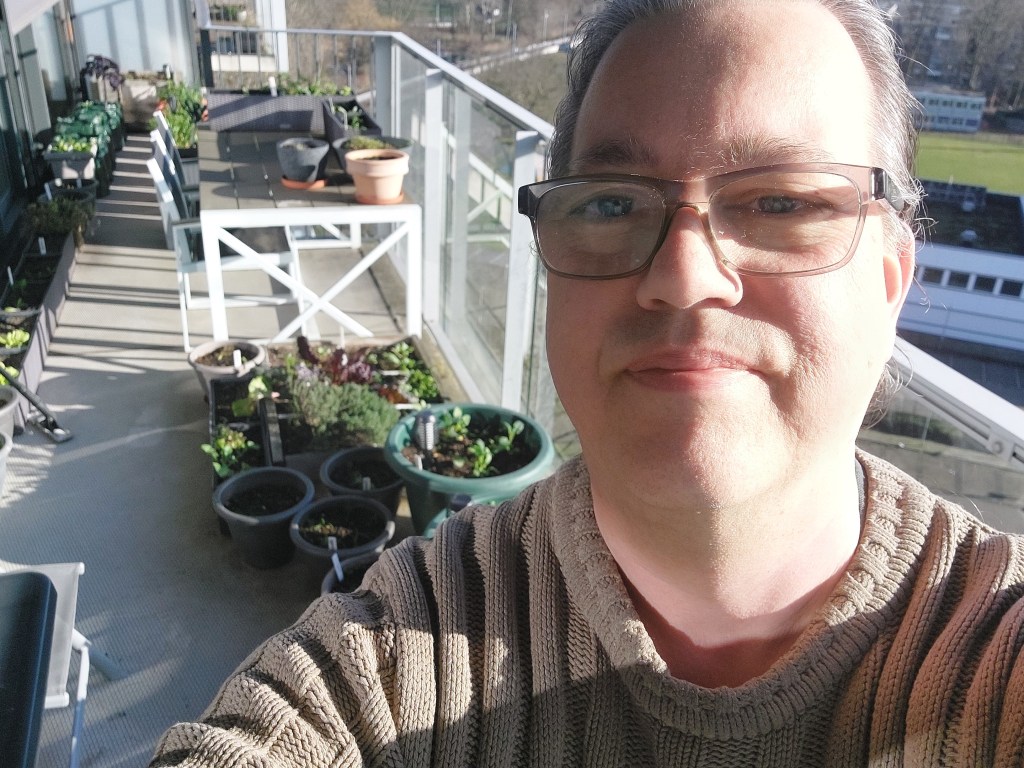
I’m Jim, the gardener behind Balcony Food Factory.
I’ve been growing food for decades, from allotments to my current 10th-floor balcony, where I’ve learned how to grow a surprising amount of food in a surprisingly small space.
Balcony Food Factory is where I share what I’ve learned about growing more food in containers, making the most of limited space, and keeping things practical and manageable.
Want more? Subscribe to the Balcony Food Factory newsletter and I’ll send you practical growing advice, ideas and lessons from my own balcony garden straight to your inbox. You’ll get the below eBook for free too, as a welcome gift. Just click on the image to sign up.
See you there!

A Note About Climate
I garden in Schiedam, the Netherlands, where we have a temperate maritime climate with mild winters, relatively cool to warm summers, and rainfall throughout the year. As a general comparison, my location is approximately USDA Hardiness Zone 8b.
Growing conditions vary considerably between regions, so planting dates, growing seasons, temperatures, and crop recommendations may differ where you live. Please adapt the advice in my articles to your own local climate, weather patterns, and growing conditions.

Leave a Reply