
Lettuce is one of the most useful crops you can grow on a balcony. It doesn’t need a large garden, it grows well in containers, and you can harvest fresh leaves just steps from your kitchen.
I always have some lettuce growing in my 10th floor balcony garden.
But there’s more to growing lettuce than sowing a packet of seeds and waiting for a head to form. Different types suit different conditions and harvesting styles. Some are best grown for a single, full-sized head, while others can provide fresh leaves over an extended period.
That makes lettuce particularly interesting for small-space gardeners. With the right varieties, a suitable container, and a little planning, you can grow salad ingredients through much of the year.
In this guide, we’ll look at the main types of lettuce, how to choose the right ones for your balcony, when to sow them, and I’ll share how to keep your containers productive through repeated harvesting and succession planting.
Lettuce At A Glance
| Growing Factor | What You Need To Know |
|---|---|
| Botanical Name | Lactuca sativa |
| Best Conditions | Cool to mild weather, fertile potting mix, and consistent moisture |
| Suitable Containers | Pots, troughs, window boxes, and larger mixed containers |
| Sunlight | Sun in cooler weather; some afternoon shade can help during warm spells |
| Harvesting | Individual leaves, cut-and-come-again, or whole heads |
| Main Growing Seasons | Spring and autumn, with suitable varieties extending the season |
| Main Challenges | Heat, bolting, bitter leaves, drying out, and overcrowding |
| Best Strategy For Repeated Harvests | Grow loose-leaf varieties and sow small batches regularly |
Which Type Of Lettuce Should You Grow?


All pictures Copyright Jim Boere / balconyfoodfactory.com — Growing lettuce in containers.
One of the first things to understand about lettuce is that the different types don’t all grow or harvest in the same way.
Some form compact heads, some produce upright leaves, and others grow as open rosettes. For balcony gardening, the best choice depends on how much room you have, how you like to eat your lettuce, and whether you want one substantial harvest or smaller harvests over several weeks.
Comparing The Main Types Of Lettuce
| Type | What It Looks Like | Best For Balcony Growing | Harvesting Style | Seasonal Consideration |
|---|---|---|---|---|
| Loose-Leaf | Open rosettes of individual leaves, often green or red, smooth or frilly | Small containers, troughs, and repeated harvesting | Pick outer leaves or harvest young leaves | Excellent for succession sowing; choose varieties suited to the season |
| Butterhead | Soft leaves forming a loose, rounded head | Gardeners who enjoy tender leaves and compact heads | Usually harvested as a whole head, although outer leaves can be picked | Generally performs best in cool to mild weather |
| Romaine / Cos | Upright plants with elongated leaves and crisp ribs | Individual pots or larger containers; compact varieties are particularly useful | Usually harvested as a whole head, with some flexibility | Compact varieties such as Little Gem are worth considering |
| Crisphead / Iceberg | Dense, tightly packed heads | Gardeners who have enough room and patience for a longer-growing crop | Whole-head harvest | Can be more demanding in containers; choose varieties carefully |
| Summer Crisp / Batavian | Broad, substantial leaves with a crisp texture | Gardeners looking for a different texture and varieties suited to warmer conditions | Usually a head or substantial rosette | Some varieties tolerate warmth better than others, but none is immune to bolting |
Note: These groups provide a helpful starting point, but individual varieties can behave differently. Check the seed packet for information about sowing times, mature size, and resistance to bolting.
Why Loose-Leaf Lettuce Is So Useful
If your main goal is to harvest as much salad as possible from a small space, loose-leaf lettuce is an excellent place to start.
Rather than waiting for a compact head to develop, you can pick the larger outer leaves while leaving the growing center intact. The plant continues producing new leaves, allowing you to return for further harvests.
Oakleaf lettuce, other loose-leaf varieties, and cut-and-come-again mixes are all worth considering.
This approach has several advantages:
- You can harvest small amounts whenever you need them.
- One plant can provide more than one harvest.
- You can combine repeated harvesting with succession sowing.
- You can grow several plants at different stages rather than having everything mature at once.
Heading varieties are still worth growing if you particularly enjoy their texture or flavor. The point is simply to choose a type that matches your priorities and what you like to eat.
Choosing A Container For Lettuce
Lettuce doesn’t need an especially deep container compared with many larger vegetables. What matters is providing enough room for the roots, maintaining moisture, and allowing excess water to drain away.
Pots, Troughs, Or Window Boxes?
All three can work well.
Individual Pots: Useful when you want to grow a few larger plants or try several varieties without mixing them together.
Troughs And Window Boxes: Particularly practical for loose-leaf lettuce. Their wider surface allows you to grow several plants together and harvest them at different stages.
Larger Mixed Containers: Lettuce can share space with salad crops and other vegetables, provided they have compatible growing requirements and enough room.
For a container intended to grow several salad ingredients, a depth of around 20–30 cm (8–12 inches) is a good starting point. Shallower containers can also work for baby leaves, but they dry out more quickly and need closer attention to moisture.
Give The Plants Enough Space
The spacing you need depends on the type of lettuce and how you intend to harvest it.
Baby leaves can be grown relatively close together because they are harvested young. Plants intended to form full heads need more room to develop.
If you sow too densely, seedlings compete for light, water, and nutrients. Thin them promptly rather than allowing a crowded patch to struggle.
Choose a container with drainage holes, and use a good-quality potting mix that holds moisture without becoming waterlogged.
When And Where To Sow Lettuce
Lettuce is primarily a cool-season crop. In many temperate climates, spring and autumn offer the most reliable growing conditions.
That doesn’t mean you can only grow lettuce during those seasons. With the right varieties and a little attention to the weather, you can extend the harvest window considerably.
Spring: Start The Main Growing Cycle
Spring is an excellent time to begin sowing lettuce. As temperatures become suitable, sow directly into a prepared container or start seeds in small pots if you prefer to transplant them.
Avoid starting with one enormous sowing. A small batch gives you a manageable number of plants and makes it easier to repeat the process.
In the Balcony Food Factory planting approach, March is a useful time to begin the main lettuce sowings, with further sowings as the season progresses. Local weather and the variety you choose should guide the exact timing.
For reference: I live in Schiedam, The Netherlands; a USDA Zone 8b-type climate.
Summer: Choose Carefully And Watch The Heat
Lettuce can struggle when temperatures rise. Hot weather, long days, and stress can cause plants to bolt, meaning they send up a flowering stem and shift from leaf production toward flowering and seed production.
When that happens, leaf quality can deteriorate and the plant may become bitter.
To improve your chances during summer:
- Choose varieties described as suitable for summer growing or resistant to bolting.
- Consider giving containers some afternoon shade during hot spells.
- Keep the potting mix consistently moist without waterlogging it.
- Harvest regularly rather than leaving mature plants standing for too long.
- Sow small batches so you have replacements ready when plants decline.
Summer lettuce is definately possible, but it helps to work with the conditions rather than expect every variety to perform equally well in the heat.
–> TIP: I place or move my lettuce containers behind bigger ones on hot days, at least during the afternoon. That helps. Container gardening gives you that mobility, so use it.
Autumn: An Excellent Time For Salad Crops
Autumn is often overlooked, yet it can be one of the most productive periods for lettuce and other leafy crops. You can read more about that here: Why Autumn Is Your Second Spring
Temperatures become milder, and the growing conditions can be ideal for fresh leaf growth. Sow autumn varieties in late summer or early autumn so the plants have time to establish before growth slows.
Autumn is also a good opportunity to refill containers that have finished producing summer crops.
Winter: Keep Expectations Realistic
Winter lettuce is possible in mild climates, particularly when you choose suitable varieties and provide some protection during severe weather.
However, growth slows as daylight decreases, and cold conditions can limit how much you harvest. A plant that produces fresh leaves quickly in spring may grow much more slowly in winter.
Think of winter growing as an extension of the season rather than a guarantee of uninterrupted summer-level production. Sow early enough for plants to establish, monitor moisture, and protect containers when conditions require it.
–> TIP for growing lamb’s lettuce: a July and onwards sowing gives you the fastest harvest, but sow again in September for overwintering.
A Simple Succession Sowing Schedule
For a steady supply of lettuce, try sowing a small batch every two weeks during favorable growing conditions.
| Stage | What To Do | Why It Helps |
|---|---|---|
| Week 1 | Sow a small batch of lettuce | Starts the first group of plants |
| Week 3 | Sow another small batch | Creates a younger group for later harvests |
| Week 5 | Sow a third batch if conditions remain suitable | Keeps the next generation coming |
| As Plants Decline | Harvest remaining usable leaves and prepare the container for replacement crops | Avoids leaving productive space unused |
This is a starting point, not a rigid timetable. In hot weather, germination and growth may become less reliable; in winter, plants may take much longer to reach harvest size. Adjust the schedule to the conditions and how much lettuce you actually eat.
Growing Lettuce With The Multi-Harvest Container System


All pictures Copyright Jim Boere / balconyfoodfactory.com — Growing lettuce in containers.
The principles behind my Multi-Harvest Container System are especially useful for a crop like lettuce. Instead of thinking of a container as something you plant once and empty at the end, you treat it as productive space that can provide a series of harvests.
You don’t need a large balcony or a complicated layout to use these principles. Even one container of lettuce can benefit from a little planning.
Keep The Harvest Cycle Moving
Start with a manageable sowing, harvest the plants as they become ready, and plan what comes next.
For loose-leaf lettuce, that might mean picking outer leaves for several weeks. When the plants become exhausted or begin to bolt, replace them with a fresh batch suited to the season.
For heading lettuce, the cycle may be simpler: harvest a mature plant and sow or plant a replacement.
The aim is to reduce the time a container sits empty between crops.
Combine Crops Thoughtfully
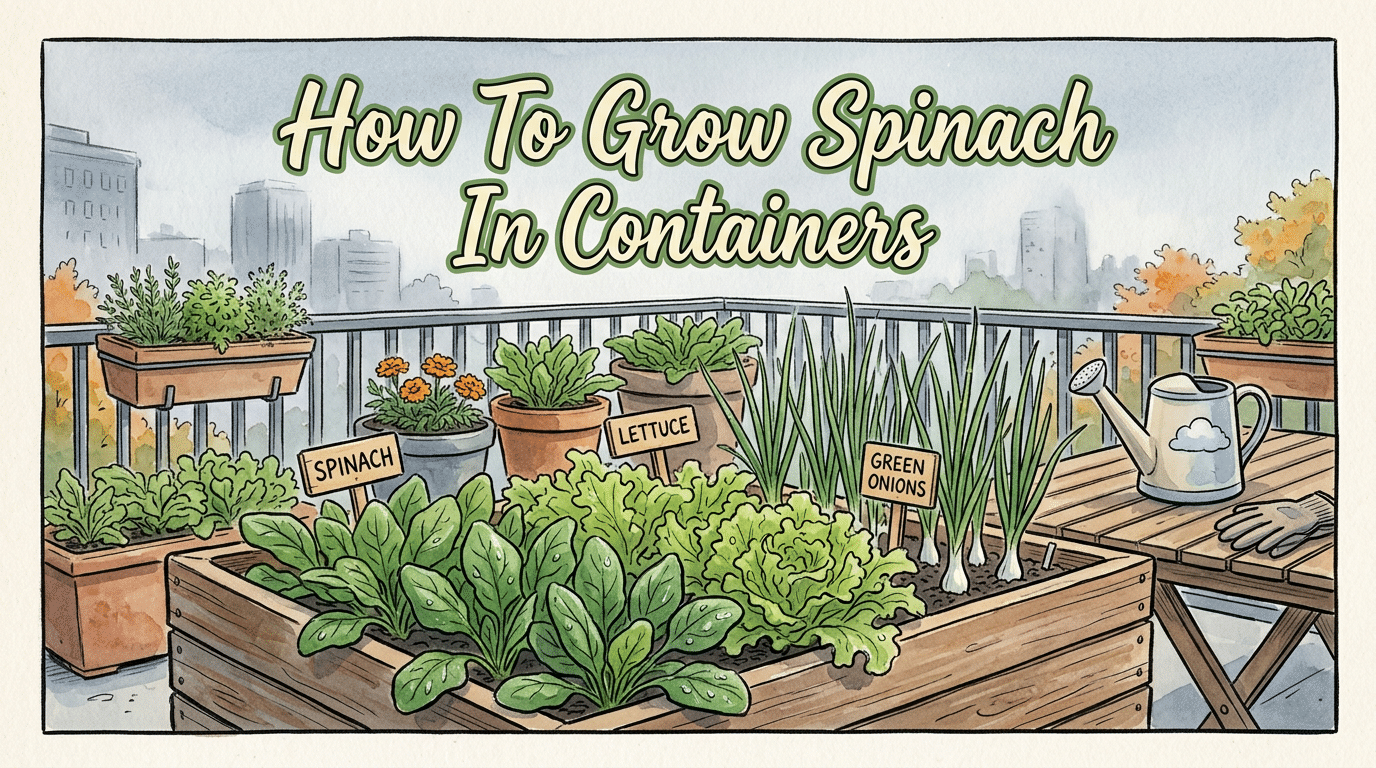
Lettuce can work well alongside other salad ingredients. In a larger container, you might combine it with rocket (aka arugula), spinach, green onions, or radishes.
The advantage is that these crops can offer different flavors, growth habits, and harvesting times. However, a mixed planting only works when the plants have enough room and their growing needs are compatible.
Don’t overcrowd a container simply to fit in more crops. A few healthy plants can be more productive than too many competing for the same water, light, and nutrients.
Plan For Seasonal Changes
Lettuce is not equally productive in every season. As spring turns to summer, some varieties may struggle with heat. When autumn arrives, cooler conditions can create another good opportunity for leafy crops.
Think ahead about what will replace a declining crop. You might sow a fresh batch of lettuce, switch to another leafy vegetable, or prepare the container for a different seasonal crop.
That is how a small growing space can remain useful for much more of the year.
Watering And Feeding Lettuce
Lettuce needs a reliable supply of moisture to produce tender, healthy leaves. Containers can dry out quickly, particularly in warm, sunny, or windy conditions.
Water Consistently
Check the potting mix regularly rather than relying on a fixed watering schedule.
When the surface begins to dry, check a little deeper to see whether the root zone still contains moisture. Water thoroughly when needed, allowing excess water to drain from the container.
Try to avoid two extremes:
- Severe drying: can stress the plants, interrupt growth, and contribute to early bolting.
- Waterlogged potting mix: deprives roots of air and can lead to root problems.
The goal is evenly moist potting mix with good drainage, not permanently saturated roots.
Maintain Potting Mix Fertility
Lettuce grows relatively quickly, and repeated harvesting removes plant material and nutrients from the container.
Start with a healthy potting mix and incorporate compost as appropriate when preparing or refreshing the container. During active growth, a light liquid feed every few weeks may help maintain production, depending on the fertility of the mix and the product instructions.
Avoid assuming that more fertilizer always means more leaves. Excess feeding is not a substitute for suitable temperatures, sufficient light, proper spacing, and consistent watering.
If you remove an old crop and plant another, take the opportunity to inspect the mix and replenish it as needed.
Harvesting Lettuce For The Best Results

How you harvest lettuce depends largely on the type you grow. Two approaches are particularly useful in containers.
Cut-And-Come-Again Harvesting
This method is especially suitable for loose-leaf lettuce.
- Wait until the plant has enough established leaves to harvest.
- Pick the larger outer leaves, working around the plant.
- Leave the growing center intact.
- Allow the plant to produce fresh leaves before harvesting again.
Take only what you need and avoid removing so many leaves that the plant struggles to recover.
Repeated harvesting can extend the productive period of a plant, although it won’t keep producing indefinitely. Eventually, the plant may become less productive or start to bolt. That is part of its normal growing cycle.
Harvesting Whole Heads
For butterhead, romaine, crisphead, and other heading varieties, you may prefer to harvest the entire plant once it reaches a mature size.
You can then use the space for a replacement plant or a fresh sowing.
Some heading lettuces can also provide a few outer leaves before the main harvest, but don’t expect every variety to respond like a loose-leaf type.
Harvest At The Right Stage
Young leaves are often tender and convenient for salads. Larger leaves can provide more volume, but their texture and flavor depend on the variety and growing conditions.
Inspect plants regularly. If a flowering stem begins to develop, don’t wait any longer and harvest any leaves that are still in good condition and prepare to replace the plant.
Common Problems When Growing Lettuce
Lettuce is generally straightforward to grow, but a few common problems can reduce the harvest.
| Problem | Likely Cause | What To Do |
|---|---|---|
| Lettuce Bolts Early | Heat, long days, or plant stress (check if you are watering (thoroughly) enough) | Harvest promptly, choose slower-bolting varieties, and sow replacements suited to the season |
| Leaves Taste Bitter | Heat, stress, or plants past their best harvesting stage | Harvest younger leaves and improve growing conditions |
| Slow Growth | Cool conditions, insufficient light, depleted potting mix, or overcrowding | Check the growing conditions before adding nutrients |
| Seedlings Become Overcrowded | Seeds sown too thickly or seedlings not thinned | Thin seedlings to suit the intended harvest size |
| Leaves Wilt Quickly | Potting mix drying out or root problems | Check moisture below the surface and ensure drainage |
| Damaged Leaves | Slugs, snails, aphids, or other pests | Inspect regularly and deal with the cause early |
Understanding Bolting
Bolting deserves particular attention because it can bring a lettuce crop to an end sooner than expected.
When a plant begins producing a tall central flowering stem, it is moving into its reproductive stage. Warm weather and long days can encourage this, although varieties differ in their response.
You cannot prevent bolting indefinitely, but you can reduce its impact by choosing suitable varieties, keeping plants watered, harvesting regularly, and sowing replacements before the current crop has finished.
Don’t treat every bolting plant as a failure. Harvest the usable leaves, remove the plant when it is no longer productive, and use the space for the next crop.
Growing Lettuce With Other Crops

Lettuce is great in mixed containers because it can make good use of space around other plants. Its relatively compact growth can fit into a larger planting arrangement, provided it receives enough light and isn’t crowded out.
Good options to consider include:
- Rocket: adds a peppery flavor and can be harvested repeatedly.
- Spinach: offers another leafy crop, particularly in cooler conditions.
- Green Onions: provide a different flavor and a more upright growth habit.
- Radishes: can provide a relatively quick harvest while other crops are still developing.
These combinations are possibilities, not rules. You can grow lettuce with most other crops; I sow lettuce wherever space becomes available, like next to some pak soi (see picture above). The right arrangement depends on the size of your container, the varieties you choose, and the season.
Remember that companion planting does not remove the need to manage spacing, watering, and nutrients. If one crop begins shading or crowding another, thin or harvest as necessary.
Frequently Asked Questions About Growing Lettuce
Can You Grow Lettuce In A Small Pot?
Yes. A small pot can grow one lettuce plant or a small quantity of baby leaves. Wider containers are more appropiate if you want several plants or a continuing supply. Make sure the container drains well and check moisture regularly.
Can You Grow Lettuce Throughout The Year?
You can extend the growing season considerably with suitable varieties and, where necessary, protection. However, winter growth is slower in low light, and summer heat can cause bolting. Year-round harvests depend on your climate, varieties, and growing conditions. It is definately possible to come close to year-round.
Which Lettuce Is Best For Repeated Harvesting?
Loose-leaf varieties are usually the easiest choice. Harvest the outer leaves while leaving the growing center intact. Oakleaf lettuce and cut-and-come-again mixes are good examples to look for.
Can Lettuce Grow In Partial Shade?
Yes. Lettuce can grow in partial shade, particularly during warmer weather when some protection from intense afternoon sun can help. Deep shade, however, can slow growth. Aim for a balance of light and protection appropriate to your conditions.
Why Does Lettuce Bolt?
Bolting is when a lettuce plant sends up a flowering stem. Heat, long days, and stress can encourage it. Once a plant bolts, leaf quality may decline, so harvest usable leaves and prepare a replacement.
Bolting is simply the plant moving into the next phase of its natural life cycle. Its purpose in life is to reproduce, so flowering is what it will inevitably do.
How Often Should You Sow Lettuce?
A small sowing every two weeks is a practical starting point. Adjust the interval according to the season, the variety, and how quickly you use your harvest.
Can You Grow Different Types Of Lettuce In The Same Container?
Yes, provided the container has enough room and the varieties have compatible growing needs. Mixing loose-leaf and heading types can give you different textures and harvesting options, but allow enough space for heading varieties to develop properly.
Final Thoughts
Lettuce is a valuable crop for balcony gardeners because it offers flexibility. You can grow a compact head in a pot, fill a trough with loose-leaf varieties, or combine lettuce with other salad crops in a larger container.
If you’re starting out, I’d begin with a loose-leaf variety. It allows for repeated harvesting and makes it easier to learn the rhythm of sowing, picking, and replacing plants.
As you gain experience, try different types and pay attention to which varieties perform best in your own conditions. A spring variety may struggle in summer, while a suitable autumn variety can thrive when the weather cools again.
Most importantly, don’t think of lettuce as a one-time planting. With small, regular sowings and sensible harvesting, even a modest container can provide fresh salad leaves over an extended period.
If you want to learn the complete system, my book The Multi-Harvest Container System Starter Guide brings together the principles of succession planting, companion planting, soil management and efficient container growing, along with practical high-yield container setups you can adapt to your own balcony.
Recommended Further Reading:
- How To Grow Rocket In Containers
- How Productive Can A Balcony Container Really Be?
- Build A Salad Bowl Container That Keeps Producing
- How To Grow Spinach In Containers: A Practical Guide To Repeated Harvests
About Me
I’m Jim, the gardener behind Balcony Food Factory.
I’ve been growing food for decades, from allotments to my current 10th-floor balcony, where I’ve learned how to grow a surprising amount of food in a surprisingly small space.
Balcony Food Factory is where I share what I’ve learned about growing more food in containers, making the most of limited space, and keeping things practical and manageable.
Want more? Subscribe to the Balcony Food Factory newsletter and I’ll send you practical growing advice, ideas and lessons from my own balcony garden straight to your inbox. You’ll get the below eBook for free too, as a welcome gift. Just click on the image to sign up.
See you there!

A Note About Climate
I garden in Schiedam, the Netherlands, where we have a temperate maritime climate with mild winters, relatively cool to warm summers, and rainfall throughout the year. As a general comparison, my location is approximately USDA Hardiness Zone 8b.
Growing conditions vary considerably between regions, so planting dates, growing seasons, temperatures, and crop recommendations may differ where you live. Please adapt the advice in my articles to your own local climate, weather patterns, and growing conditions.


Leave a Reply